Floral Geometric Border Review
A Boutique Designer’s First Look at Floral Geometric Border
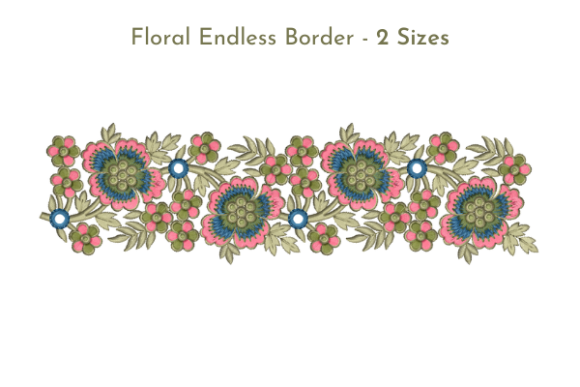
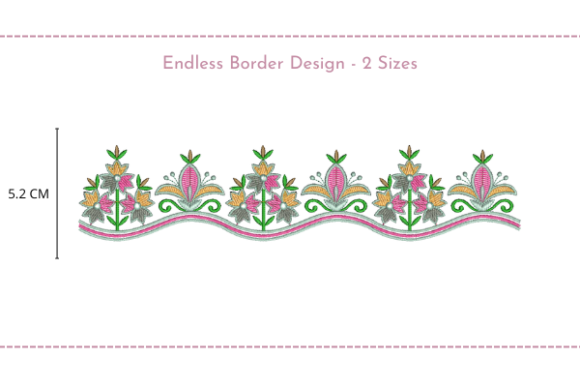
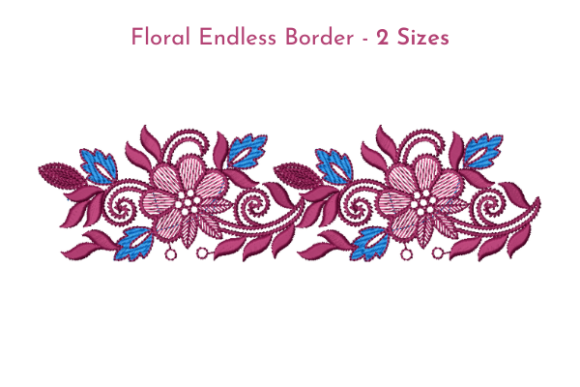
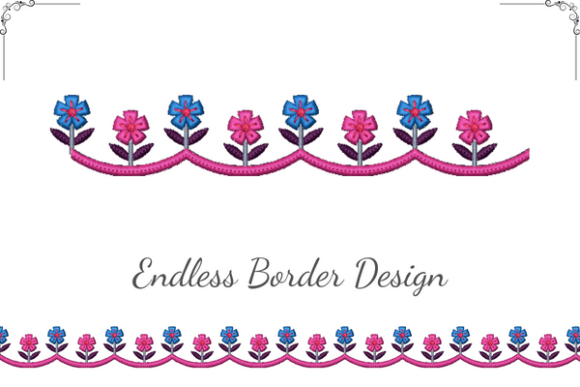
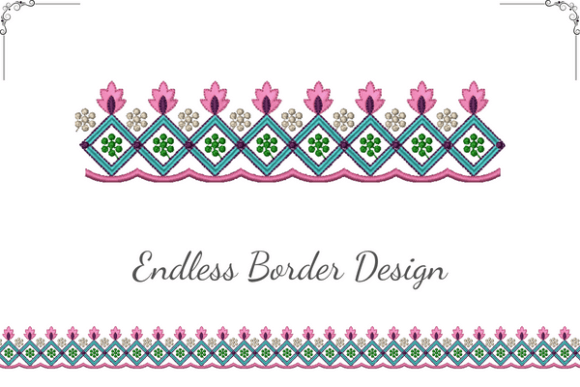
As someone who’s digitized and stitched over 300 custom apparel collections—from limited-run sweatshirts to seasonal tote drops—my first impression of Floral Geometric Border was immediate: it’s quietly confident. Not loud, not fussy, but rich with intention. The design balances organic floral motifs with clean angular lines—a visual handshake between nature and modern minimalism. It reads as premium but approachable, feminine without leaning into cliché, and detailed without feeling dense or heavy on fabric. For boutique apparel, that’s gold. It doesn’t scream “trendy”—it feels like it’ll age well across seasons, whether stitched on a charcoal hoodie in October or a blush terry sweatshirt for spring launches.
How It Performs on Real Apparel Projects
I tested Floral Geometric Border across six garment types I regularly use for small-batch drops: neutral cotton-blend sweatshirts, pastel French terry hoodies, black oversized crewnecks, ribbed-knit tees, midweight denim jackets, and natural canvas totes. Here’s what stood out:
- Sweatshirt embroidery: On medium-weight fleece, the border held crisp definition—especially along the geometric edges—without puckering. The floral elements softened just enough to complement the cozy texture.
- Hoodie design placement: As a chest accent (3.5” wide), it added subtle sophistication without overwhelming. As a sleeve cuff border (rotated vertically), it created rhythm and movement—ideal for lifestyle product photos.
- T-shirt embroidery: On lightweight jersey, I used light cutaway stabilizer and reduced top tension slightly. Result? Clean, breathable coverage—no stiffness, no shadowing.
- Denim & tote bag applications: The stitch density felt purposeful—not too sparse to lose impact, not so heavy it distorted the weave. On denim, it read as artisanal; on canvas, it elevated the handmade product feel instantly.
- Back designs & oversized garments: When scaled to 6–7”, the repeat-friendly structure of Floral Geometric Border made seamless tiling possible. Perfect for back-of-hoodie statements or full-tote wraps that maintain visual consistency.
Where to Use It Thoughtfully
This isn’t a one-size-fits-all border—and that’s its strength. Use it intentionally:
- Avoid tight chest placements under 2.8”—the interplay of florals and geometry needs breathing room to resolve visually.
- Test on stretchy fabric first. While it stitches beautifully on stable knits, highly elastic fabrics (like 4-way spandex blends) may require basting or adhesive + tear-away combo stabilizer.
- Dark garments demand contrast. On charcoal or navy, opt for thread colors with brightness—ivory, pale mint, or warm taupe—not off-white. The design’s detail shines when light reflects off varied thread tones.
- Curved surfaces (like sleeves or hems) benefit from slight repositioning—rotate the design to follow the contour, not fight it. A quick mockup in your embroidery software helps preview drape.
- Don’t pair it with tiny lettering directly adjacent. Its visual weight commands attention—let it anchor, not compete.
Why It Elevates Boutique Branding
Floral Geometric Border does more than decorate—it reinforces brand identity. For Etsy sellers and small shop owners, consistency is currency. Using this same border across sweatshirts, totes, and matching beanies builds instant recognition. Customers begin to associate that delicate-yet-structured motif with your aesthetic: thoughtful, tactile, quietly elevated. In social media graphics and printable mockups, it photographs exceptionally well—clean lines translate to sharp thumbnails; soft curves add warmth to flat-lay shots. That dual quality boosts buyer trust: it signals craftsmanship, not clipart.
More subtly, it raises perceived value. A plain black hoodie becomes *curated* with this border at the hem. A basic tote transforms into lifestyle merchandise. That shift matters—especially when competing with mass-produced alternatives. Buyers don’t just buy apparel; they buy the story your details tell. And Floral Geometric Border tells one of quiet confidence.
Practical Notes from the Embroidery Studio
Before stitching your first production run, here’s what I always do—and recommend you do too:
- Test on scrap fabric pulled from the exact garment batch (dyes and finishes vary—even within the same SKU).
- Confirm stabilizer choice. Light cutaway works for most knits; for fleece or terry, try a light fusible + tear-away combo to prevent shifting.
- Review thread color contrast against your base fabric—not just on screen. Natural light changes everything.
- Check hoop size compatibility before scaling. Some Creative Fabrica embroidery files include multiple sizes; verify which fits your standard hoops.
- Inspect stitch density in your editing software. If it looks overly dense in preview, reduce fill density by 5–10%—especially for lightweight fabrics.
- Test on similar garment fabric before committing to 50 hoodies. One failed test saves hours of unthreading.
- Compare placement options digitally first—chest, sleeve, hem, back corner—to see how scale and proportion shift across contexts.
- Review Creative Fabrica product details and licensing before selling finished apparel. Ensure commercial use is explicitly permitted for your intended sales channel (Etsy, Shopify, wholesale, etc.).
Final Thoughts for Creative Entrepreneurs
If you’re building a boutique brand where every stitch reflects care, Floral Geometric Border is more than a machine embroidery design—it’s a versatile signature element. It bridges handcrafted warmth and contemporary polish, making it ideal for custom apparel that stands apart. Whether you're an embroidery shop digitizing for local boutiques, an Etsy seller launching your first sweatshirt line, or a digital creator sourcing refined Borders for client projects, this Embroidery file delivers quiet versatility. It doesn’t shout. It settles in—elegant, intentional, and ready to elevate whatever you make next.